Quality Control & Documentation
Follow the quality and documentation path from product specification to the applicable batch record. A specification is not a batch result, and document availability is confirmed through inquiry.
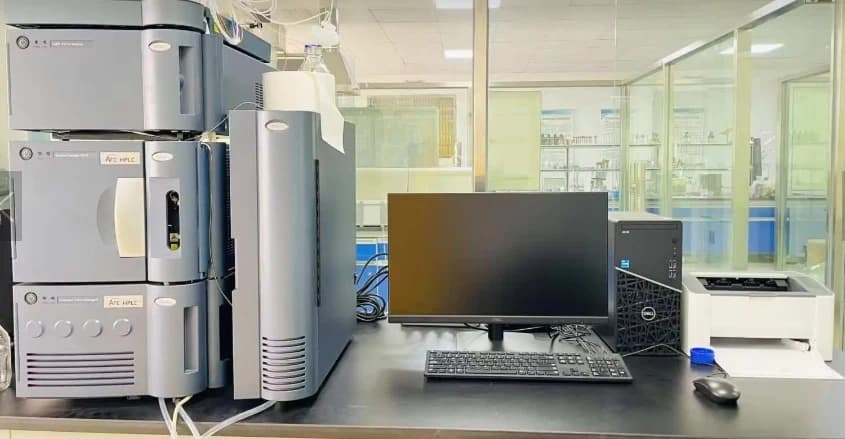
HPLC workstation and analytical laboratory environment
Specification → Test Method
Begin with the verified product identity and purity specification, then confirm the applicable analytical method and reporting basis for the material under review.
Understand HPLC testing →QC Review → Analytical Evidence
QC review compares the applicable method and analytical evidence with the product specification. General equipment photography demonstrates capability, not a particular product or batch result.
Applicable Certificate of Analysis
COA information is available upon request for analytical review. Match the report to the product and batch being discussed; a report supplied for review does not confirm current stock or batch release.
- Does the product name and CAS number match the material you are assessing?
- Which batch does the report cover, and which batch is proposed for your order?
- Are the specification, result, reporting basis, method reference and report date clear enough for your QA review?
Safety Data Sheet
A formal SDS has not been issued for the listed Cytisine and Tetrandrine products. Draft material requires professional review. Share the product and destination requirements so the documentation status can be discussed before procurement.
Technical review
Ask for the method, reporting basis and supporting records your laboratory needs. Quantity is optional for a technical or document request.
Prepare a technical inquiry →Looking for a specific research-grade compound?
Share your target compound, CAS number, quantity and documentation requirements with our team.